



Blog
Why Chewy Gummy Candy Texture Hits So Hard

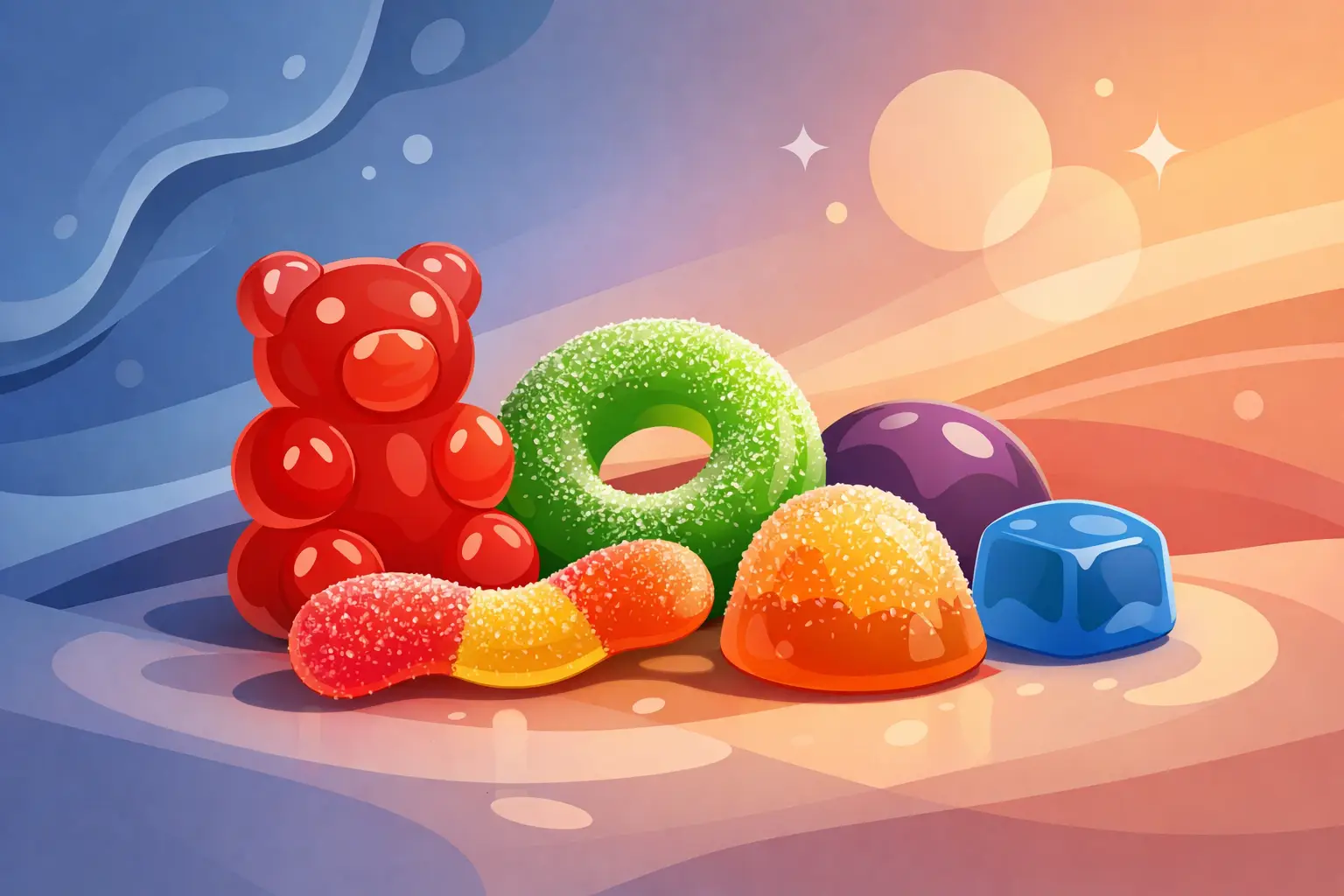
That first bite tells you everything. If a gummy snaps like stale rubber or melts into mush, the vibe is off immediately. But when the chewy gummy candy texture lands right, you get that sweet little stretch, the soft resistance, and the payoff that keeps your hand going back to the bag.
That texture is not a side detail. It is the whole experience. Flavor gets the spotlight, sure, but texture is what makes a gummy feel fun, satisfying, and worth craving again. A bold Blue Lychee Slush or tangy Key Lime Pie flavor can pull you in, but if the chew is wrong, the magic drops fast.
What makes chewy gummy candy texture so addictive?
A great gummy lives in the sweet spot between soft and springy. You want enough give to sink your teeth in easily, but enough bounce to make the chew feel playful. That balance is what turns candy from a quick sugar hit into a full sensory moment.
Part of the appeal is pace. Hard candy disappears slowly but stays one-note. Chocolate melts fast. Gummies ask you to stick around for the ride. That chew stretches the flavor release, so fruit notes, sour coating, and sweetness unfold over a few extra seconds. It feels bigger, more satisfying, and honestly more fun.
There is also the comfort factor. Soft chewy gummies hit with a kind of snackable ease that works almost anywhere – movie nights, road trips, gaming sessions, desk drawer cravings, party tables. They feel casual, but not boring. You can grab one or grab ten, and the texture still does its job.
The science behind chewy gummy candy texture
Behind every craveable chew is a formula doing real work. Gummy texture comes from the mix of gelling agents, sweeteners, moisture, and cooking control. Change one piece too much, and the whole feel shifts.
Gelatin is a classic player because it creates that elastic, bouncy pull many candy fans love. It gives gummies their signature stretch and helps them recover after you bite down. Pectin can create a softer, cleaner bite with less bounce, which some people prefer in fruit-forward gummies. Starch, sugar, syrup, and acids also shape the final feel.
Moisture matters more than most people realize. Too much water, and gummies get sloppy, sticky, or weak. Too little, and they turn dense, tough, or crusty. The best texture usually comes from tight control – enough moisture to stay tender, but not so much that the piece loses structure.
Temperature matters too. Fresh gummies can feel softer in a warm room and firmer in a cold one. That does not mean the candy is bad. It just means texture is alive. A gummy that feels perfect at room temperature may chew very differently after sitting in a hot car or a chilly pantry.
Soft chew vs firm chew
Not every gummy should feel exactly the same. A soft chew gives you that plush, easy bite people often associate with premium, fresh candy. It feels juicy, mellow, and instantly snackable. A firmer chew creates more resistance and can make flavors feel longer-lasting.
Neither is automatically better. It depends on the mood and the product. Sour gummies often benefit from a bit more structure so they can carry the coating without collapsing. Dessert-style flavors can shine with a softer bite that feels richer and smoother. The trick is matching the chew to the flavor story.
Why texture matters as much as flavor
People shop with their eyes first and their taste buds second, but they come back because of mouthfeel. That is especially true with gummies. Bright colors and wild flavor names can spark curiosity, yet texture is what makes a candy feel premium instead of forgettable.
When the chew is dialed in, the whole product feels better made. Fruit flavors seem brighter. Sour crystals feel more exciting. Even the aroma feels more connected to the bite. On the flip side, if the texture is waxy, stiff, or oddly wet, the flavor has to work overtime just to keep up.
Texture also shapes how shareable a candy becomes. The gummies people pass around at parties, stash for road trips, or post in snack hauls are usually the ones with that satisfying bite everyone comments on. It is not just, “This tastes good.” It is, “Try this one – the chew on these is crazy good.”
What can ruin a gummy’s chew?
The biggest texture killers are age, bad storage, and weak formulation. Gummies can dry out over time, especially if they are exposed to air. Once that happens, the outer layer hardens and the center loses its soft pull. That is when you get the dreaded stale chew – more fight than fun.
Humidity can cause the opposite problem. Instead of drying out, gummies may get sticky, sweaty, or overly soft. Sugar coatings can dissolve. Pieces can clump together. The candy may still taste okay, but the experience gets messy fast.
Then there is the issue of balance. Some gummies are packed with flavor but miss the chew because they lean too hard into one textural extreme. Super soft can become gummy in the bad way. Super firm can feel like a jaw workout. A good gummy should feel exciting, not exhausting.
How to keep gummies at their best
Storage is simple, but it matters. Keep gummies sealed, cool, and dry. Avoid direct sunlight and avoid leaving the bag open on the counter if you want that soft bite to stick around. If you buy in bulk, portioning into airtight containers can help preserve texture over time.
If a gummy feels firmer than expected, room temperature usually helps. If it feels too warm and sticky, a cooler spot can bring back some structure. You do not need a complicated routine. You just need to protect the chew.
What premium gummies get right
Premium gummies usually treat texture like a headline feature, not an afterthought. That means more attention to consistency, a better match between flavor and bite, and a fresher overall feel. You notice it right away when the chew supports the flavor instead of fighting it.
That is especially important with bold, playful flavors. A candy called Mimosa or Passionfruit Slush should not feel flat or generic. The texture needs personality too. Soft enough to feel lush, springy enough to keep things lively, and structured enough to carry the flavor all the way through.
The best gummies also know that variety matters. Not every customer wants the exact same chew every time. Some want an easy, plush bite for casual snacking. Others want a little more pull for a longer-lasting chew. A strong lineup leaves room for both, while keeping the quality bar high.
For online candy shoppers, texture matters even more because you cannot sample before you buy. You are trusting the brand to deliver that fresh, craveable chew right to your door. That is why brands that obsess over mouthfeel stand out. At Sugar High Gummies, that soft, flavor-packed bite is part of the whole point – a mood boost in every bite, not just a catchy line.
How to tell if a gummy texture is right for you
Start with what you want from the moment. If you are after a mellow, easy snack for movie night, reach for gummies with a softer chew and juicy flavor profile. If you want something that hangs around longer on a road trip or in a candy mix, a slightly firmer bite may hit better.
Think about flavor style too. Bright fruit flavors often feel best with a tender, juicy chew. Sour styles usually benefit from more backbone. Dessert-inspired gummies can go either way, depending on whether you want creamy comfort or a little bounce.
And yes, personal preference rules here. Some people want maximum squish. Others want a satisfying tug. The win is finding a gummy that delivers the kind of chew you actually crave, not the one a random label claims is best.
A great gummy should make you notice the texture before you even think to describe it. You just reach for another piece because the bite feels right, the flavor stays bright, and the whole thing clicks. That is the kind of candy worth keeping stocked – the kind that turns one bag into a repeat habit.